

The Wayang Office Plaza, 5th Floor
Jl. Kedondong No. 5A, RT.11/RW.9
Rawamangun, Pulo Gadung
East Jakarta, DKI Jakarta 13220
Indonesia

Telp: +6221 388-590-01
WhatsApp: +62 899-3300-033
WhatsApp SNI: +62 857-7042-1713

Opening : Mon – Fri, 8:00 – 16:00

SDPPI Certification Agency, Type Approval and SNI Certfication Agency by PT. Cerapproval
Category: SNI
-
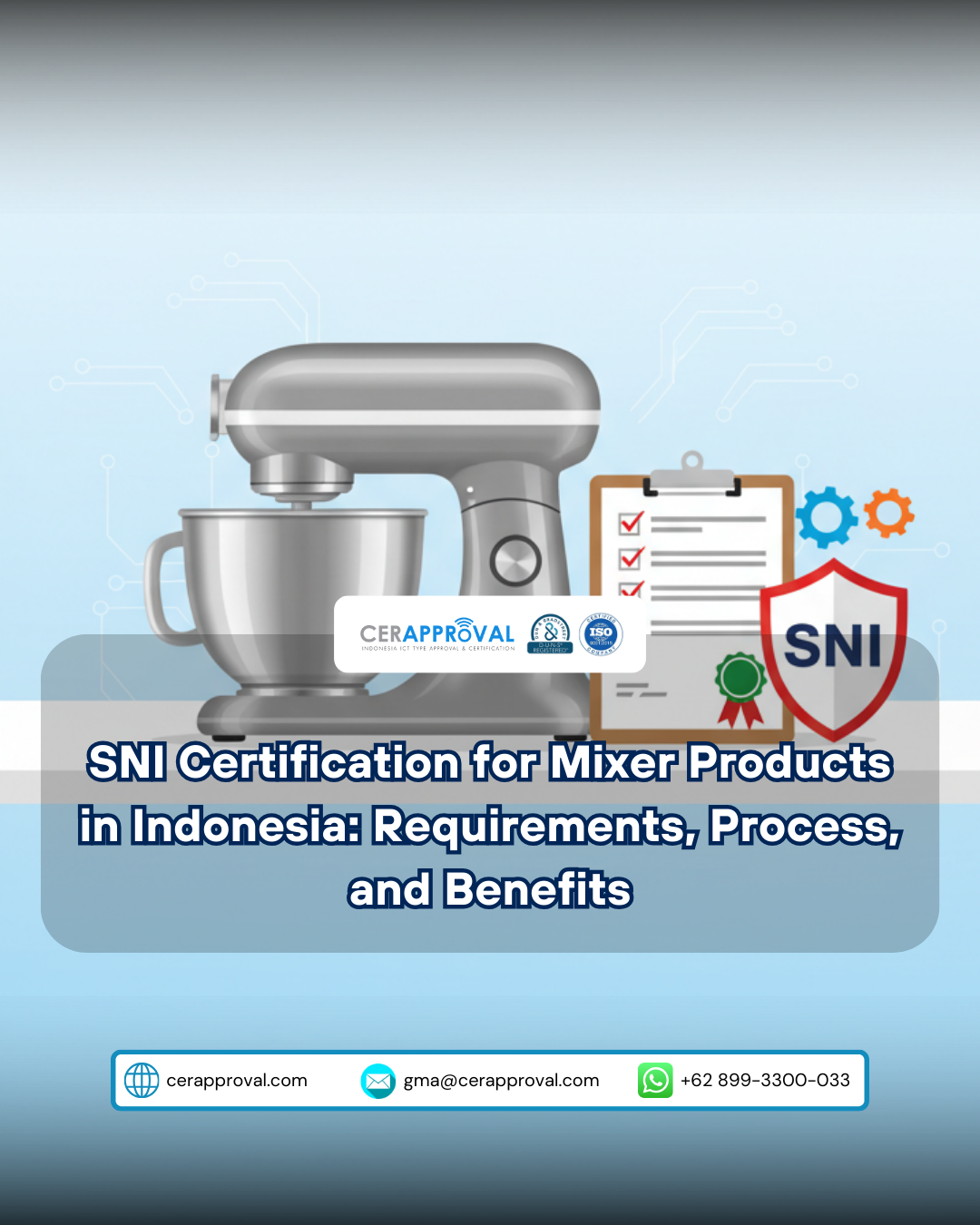
SNI Certification for Mixer Products in Indonesia: Requirements, Process, and Benefits
Mixer products are widely used in Indonesia, ranging from household kitchens to commercial food and beverage industries. Due to their electrical nature and direct interaction with users, mixer products must comply with Indonesian National Standards (SNI) to ensure safety, quality, and performance. This article provides a complete guide to SNI Certification for Mixer Products in…
-
SNI Certification for Floor Tile Products in Indonesia
Floor tiles are essential building materials widely used in residential, commercial, and industrial construction projects. In Indonesia, certain types of floor tile products are required to comply with the Indonesian National Standard (SNI) to ensure product quality, safety, and durability. This article by Cerapproval, a professional certification agency, provides a comprehensive guide to SNI certification…
-
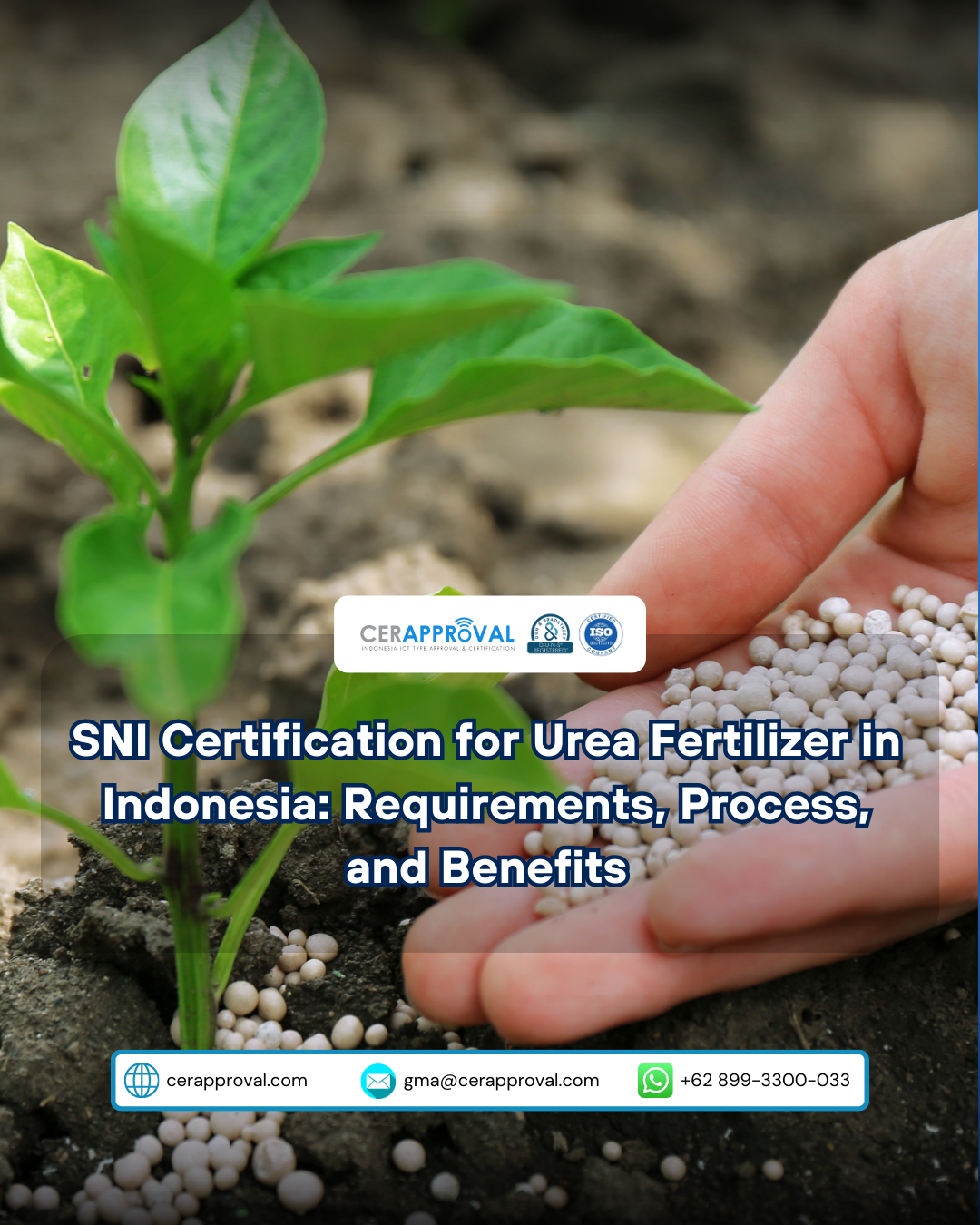
SNI Certification for Urea Fertilizer in Indonesia: Requirements, Process, and Benefits
Urea fertilizer is one of the most widely used nitrogen fertilizers in Indonesia’s agricultural sector. Its high nitrogen content plays a crucial role in increasing crop yields for food crops, horticulture, and plantations. Due to its strategic importance, the Indonesian government mandates that urea fertilizer products distributed in the domestic market comply with the Indonesian…
-
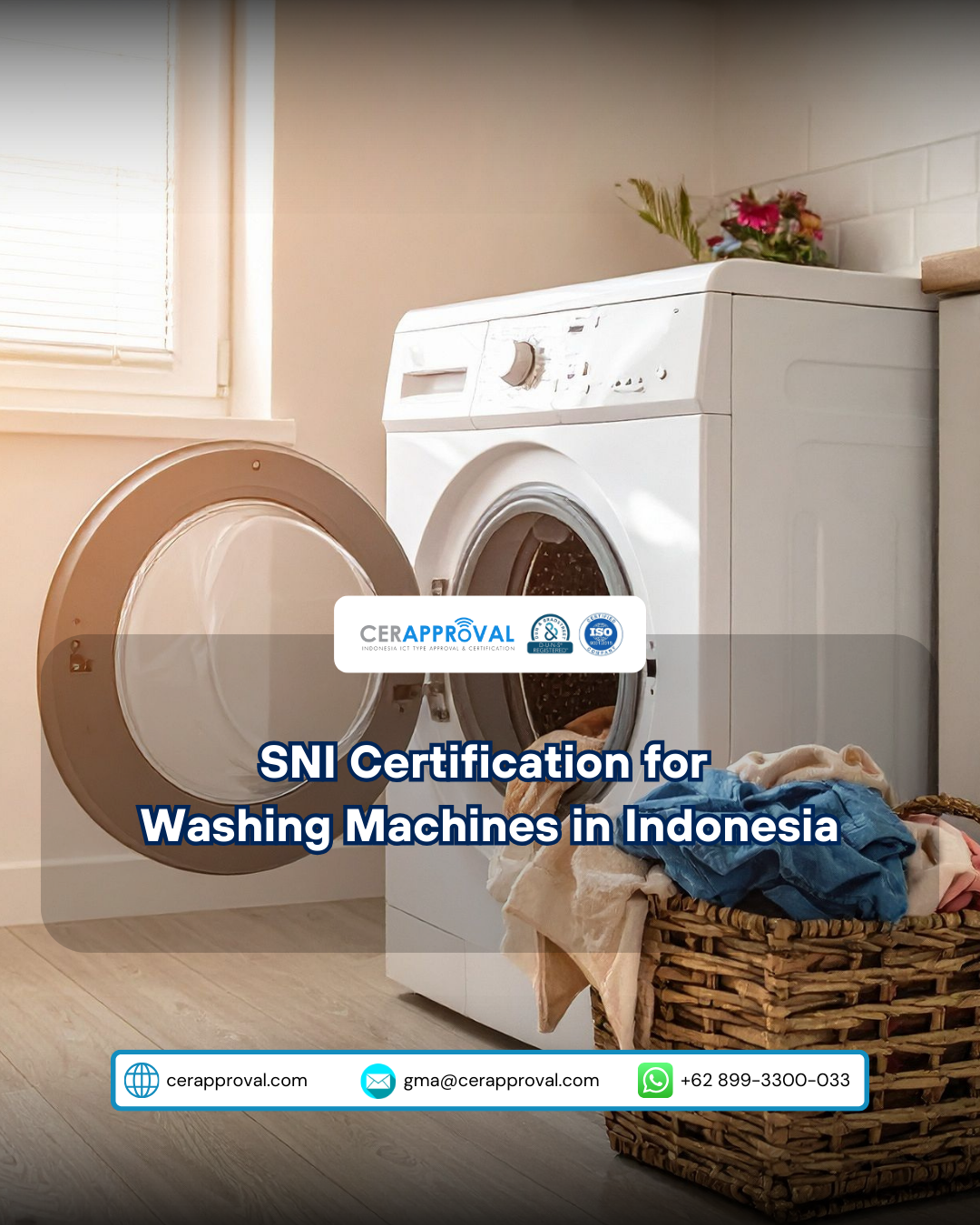
SNI Certification for Washing Machines in Indonesia
Washing machines are among the most widely used household electronic appliances in Indonesia. To ensure product safety, quality, and energy efficiency, the Indonesian government requires washing machines to comply with SNI (Indonesian National Standard) certification before being marketed. SNI certification is not only a regulatory obligation but also a critical factor in building consumer trust…
-
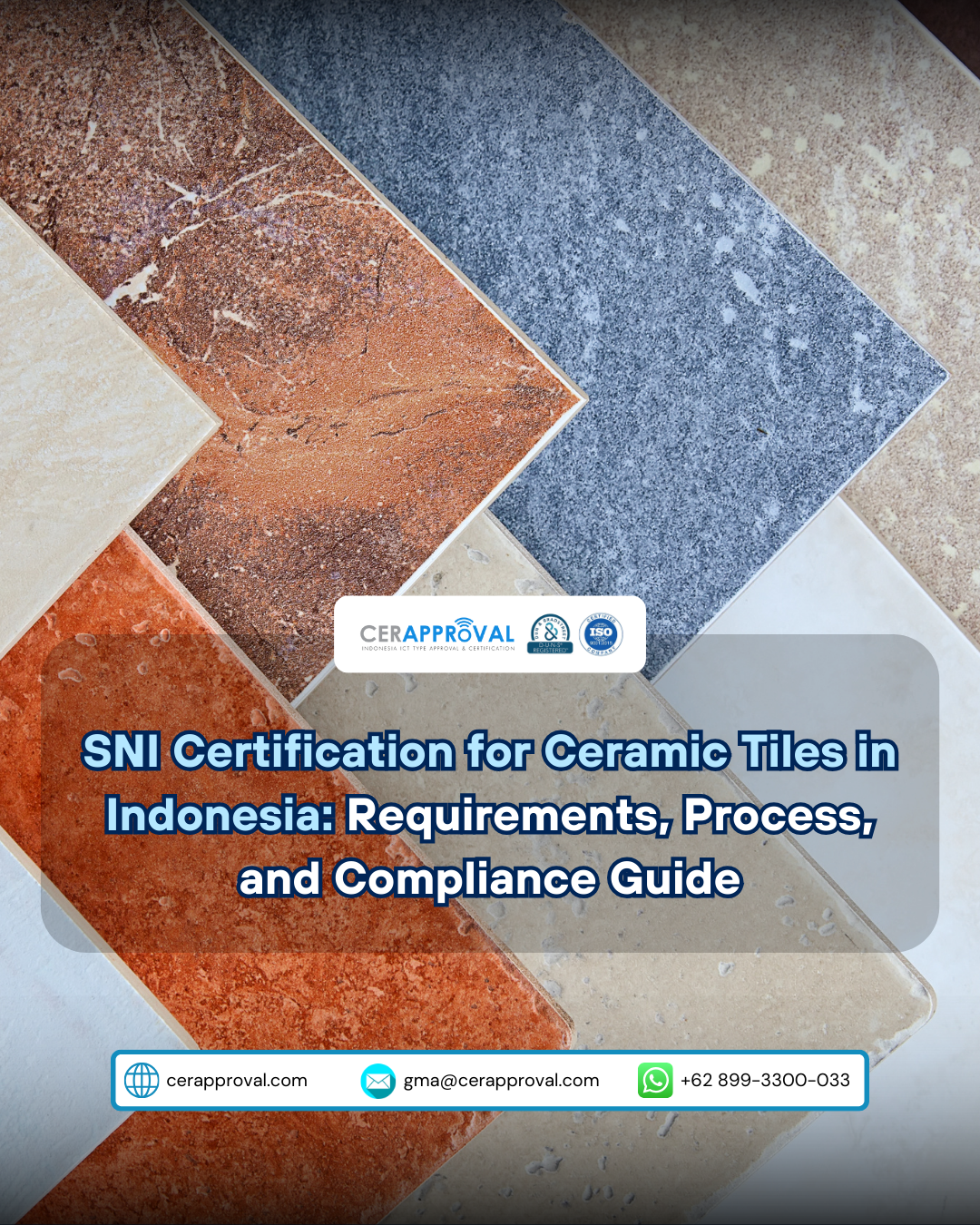
SNI Certification for Ceramic Tiles in Indonesia: Requirements, Process, and Compliance Guide
Ceramic tiles are one of the most widely used construction materials in Indonesia for residential, commercial, and industrial buildings. To ensure product quality, safety, and durability, the Indonesian government mandates SNI (Standar Nasional Indonesia) Certification for certain ceramic tile products before they can be manufactured, imported, or sold in the Indonesian market. This article explains what SNI certification for…
-
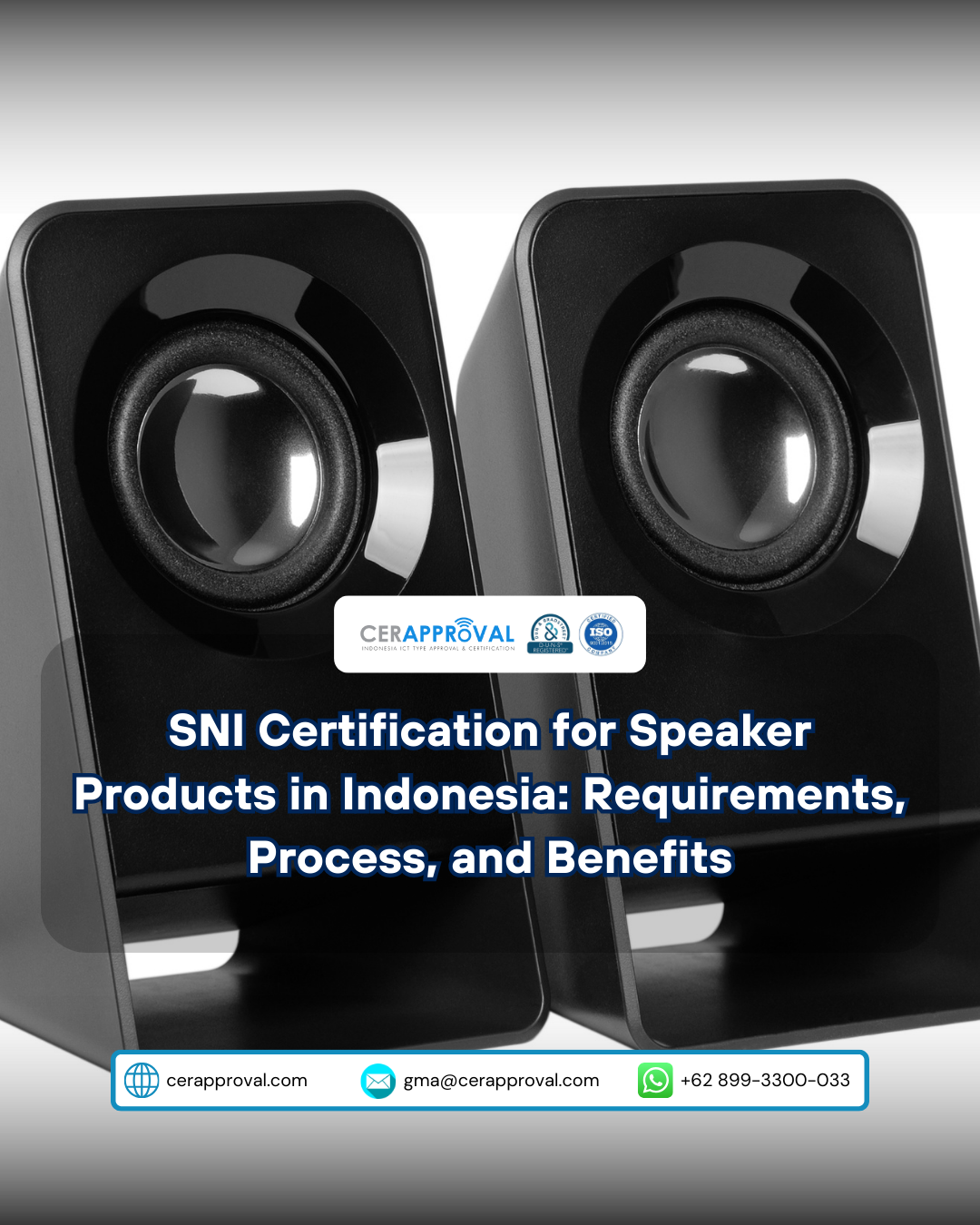
SNI Certification for Speaker Products in Indonesia: Requirements, Process, and Benefits
Speaker products are widely used in Indonesia across households, commercial spaces, and entertainment industries. With the rapid growth of imported and locally manufactured speakers, the Indonesian government enforces product quality and safety through SNI Certification (Indonesian National Standard). SNI certification ensures that speaker products meet safety, quality, and performance standards before being distributed in the…
-
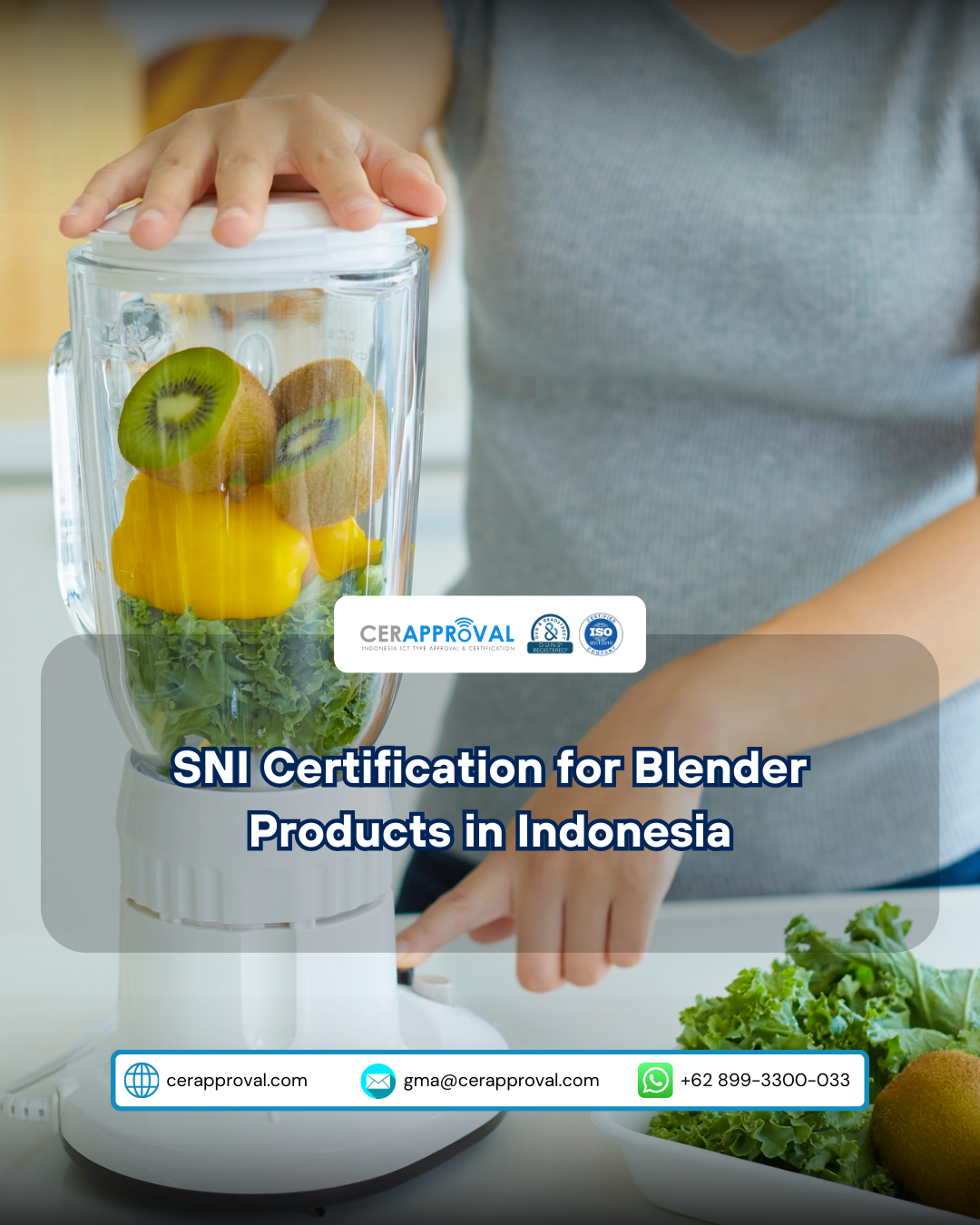
SNI Certification for Blender Products in Indonesia: A Complete Guide for Manufacturers & Importers
The demand for household electronic appliances, including blenders, has grown significantly in Indonesia. Because blenders involve mechanical and electrical components that operate at high speed, they must meet strict national safety requirements. One of the most essential regulatory requirements is the SNI (Indonesian National Standard) Certification for blender products. For manufacturers and importers, understanding the…
-

SNI Certification for Electric Irons in Indonesia: How to Obtain and Prepare It
In Indonesia, electric irons are classified as high-risk household electronic appliances and therefore must comply with the SNI (Indonesian National Standard) before entering the market. This mandatory certification ensures that each product meets strict criteria for safety, durability, and electrical performance. For manufacturers, importers, and brand owners, obtaining SNI Certification is essential to distribute products…
-

SNI Certification for Head Units in Indonesia: Complete 2025 Guide
The demand for automotive Head Units has grown significantly as modern vehicles increasingly rely on digital infotainment systems. Navigation, connectivity, entertainment, and advanced vehicle integration make Head Units essential components in both OEM and aftermarket products. However, many manufacturers and importers still overlook the importance of regulatory compliance, especially the requirement for SNI (Indonesian National…
-

How to Obtain SNI Certification for UN3077 Outsourced Bag in Indonesia
UN3077 Outsourced Bags are widely used for packaging environmentally hazardous materials during transportation. In Indonesia, these products must meet the national quality standard through SNI Certification before being circulated or imported. This article provides a comprehensive explanation of the certification process, required documents, testing procedures, and how Cerapproval can support manufacturers and importers in complying…
Ready To Start New Project With Intrace?
Lorem ipsum dolor sit amet, consectetur adipiscing elit, sed do eiusmod tempor incididunt ut labore et dolore magna aliqua.