

The Wayang Office Plaza, 5th Floor
Jl. Kedondong No. 5A, RT.11/RW.9
Rawamangun, Pulo Gadung
East Jakarta, DKI Jakarta 13220
Indonesia

Telp: +6221 388-590-01
WhatsApp: +62 899-3300-033
WhatsApp SNI: +62 857-7042-1713

Opening : Mon – Fri, 8:00 – 16:00

SDPPI Certification Agency, Type Approval and SNI Certfication Agency by PT. Cerapproval
Author: Admin
-
The Easy Guide to DJPT Certification for IoT Gateway Devices in Indonesia
The rapid growth of the Internet of Things (IoT) industry in Indonesia has created enormous opportunities for businesses across manufacturing, agriculture, logistics, healthcare, and smart city development. At the heart of these connected ecosystems are IoT gateway devices, which enable seamless communication between sensors, cloud platforms, and network infrastructure. However, before an IoT gateway device…
-
The Ultimate Guide to SNI Certification for Steel Wire Rope in Indonesia
Steel wire ropes are fundamental components across various heavy industries in Indonesia, including construction, mining, and maritime sectors. Because these materials are directly tied to operational safety, the Indonesian government enforces strict regulations regarding their distribution. One of the primary requirements is obtaining the SNI Certification (Indonesian National Standard). For international manufacturers and local importers,…
-
How Does SNI Certification for Automotive Head Units Work?
The automotive industry has evolved significantly over the past decade, and one of the most noticeable advancements is the development of the automotive head unit. What was once a simple car radio has become an advanced infotainment system that integrates navigation, multimedia, Bluetooth connectivity, Apple CarPlay, Android Auto, GPS, rear-view cameras, and vehicle communication features.…
-
Is K3L Certification Required for Hair Straighteners in Indonesia?
The beauty and personal care industry in Indonesia is booming. Among the most sought-after personal care electronics are hair straighteners (flat irons), whether imported or manufactured locally. However, for business owners, importers, and distributors, a critical regulatory question often arises: Is K3L certification mandatory for hair straightener devices in Indonesia? Understanding and complying with this…
-
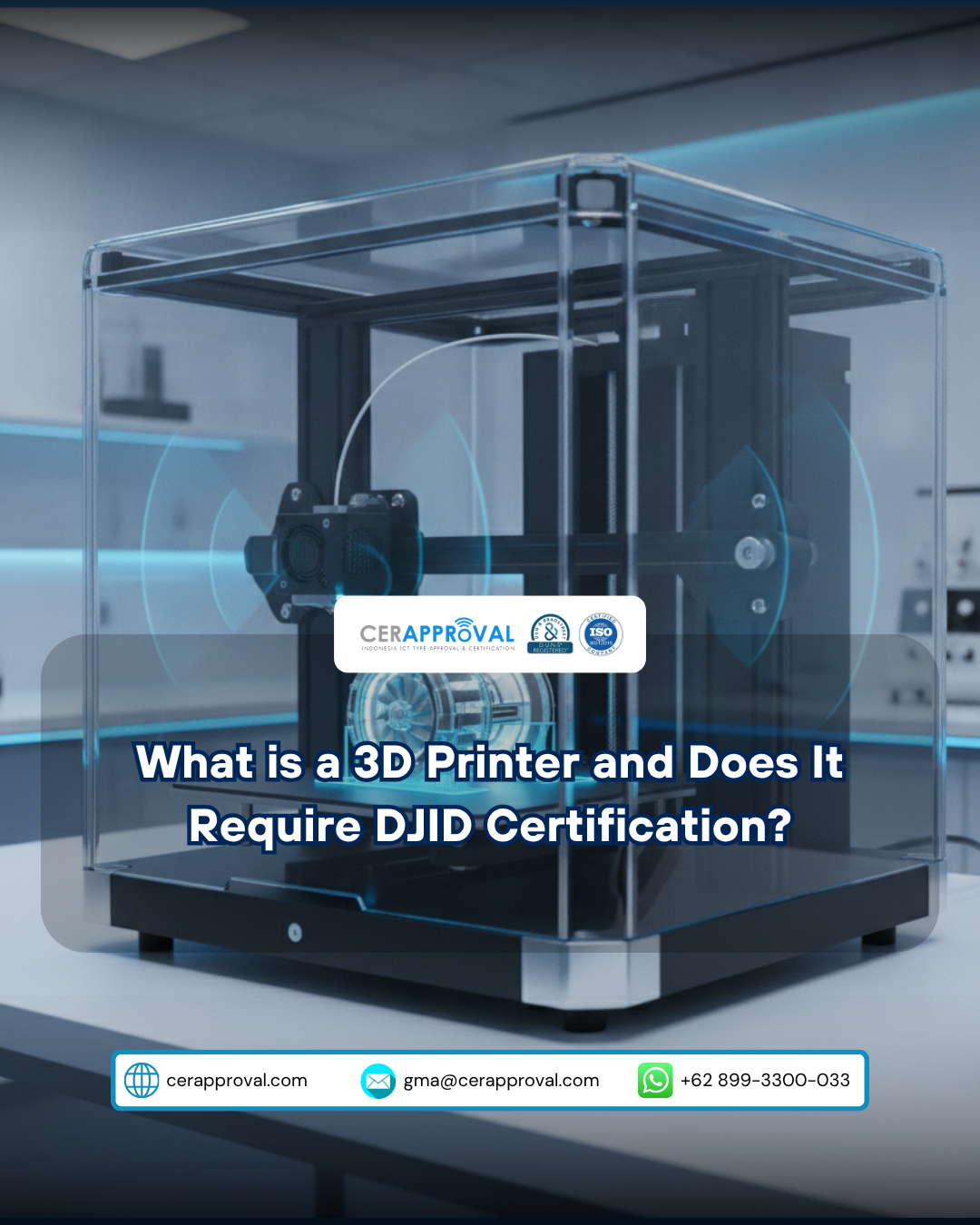
What is a 3D Printer and Does It Require DJID Certification?
The rapid growth of digital manufacturing technology has introduced groundbreaking innovations, one of which is the 3D Printer. Unlike conventional printers that produce two-dimensional documents, a 3D printer creates physical three-dimensional objects directly from digital designs. As the demand for 3D printers continues to grow in Indonesia, importers, manufacturers, and distributors often ask an important…
-
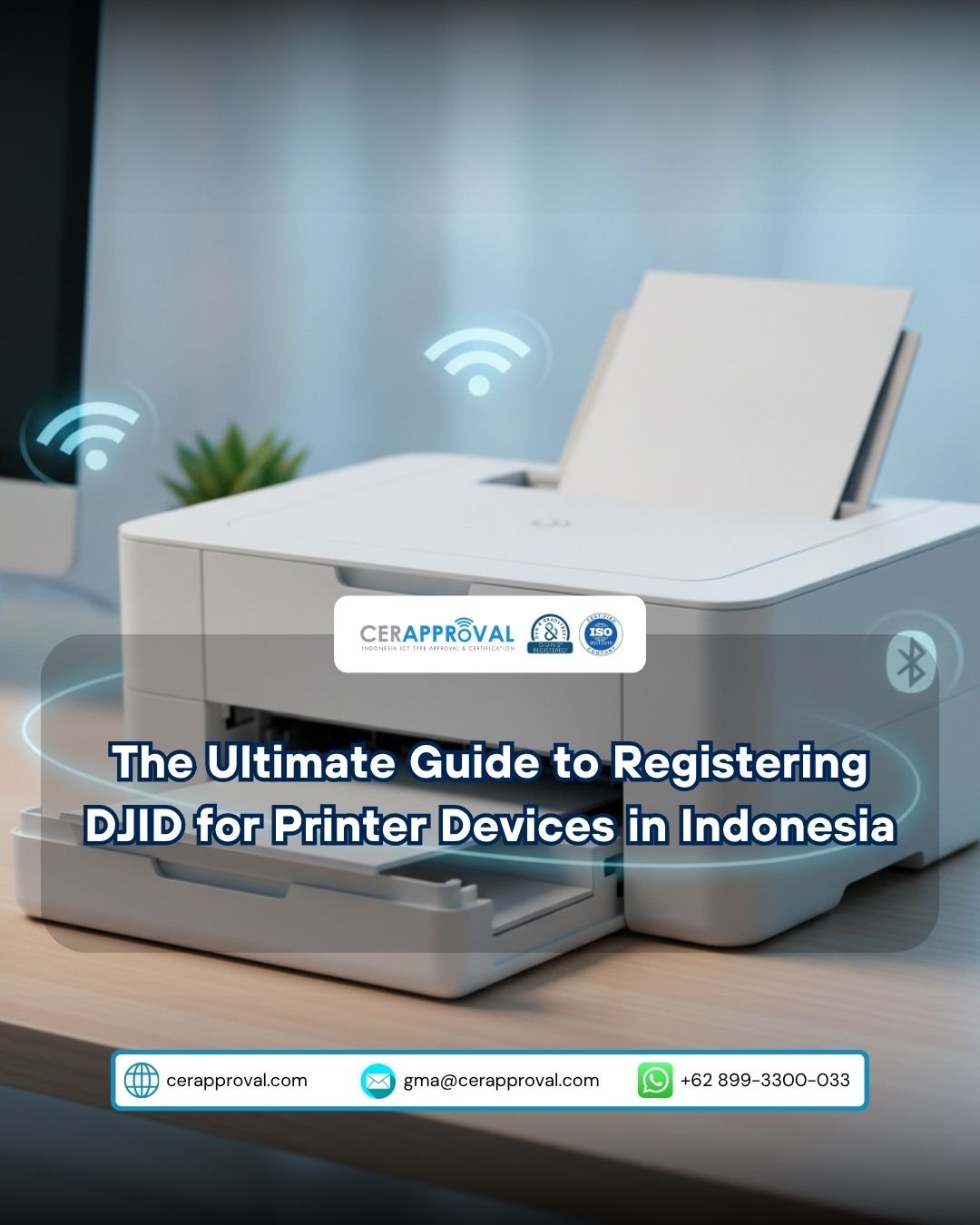
The Ultimate Guide to Registering DJID for Printer Devices in Indonesia
The digital printing industry in Indonesia is expanding rapidly. Modern printers are no longer just standalone hardware; they are smart devices equipped with wireless connectivity features such as Wi-Fi, Bluetooth, and NFC. While these features offer immense convenience, they also subject the devices to strict government regulations before they can be legally sold in the…
-
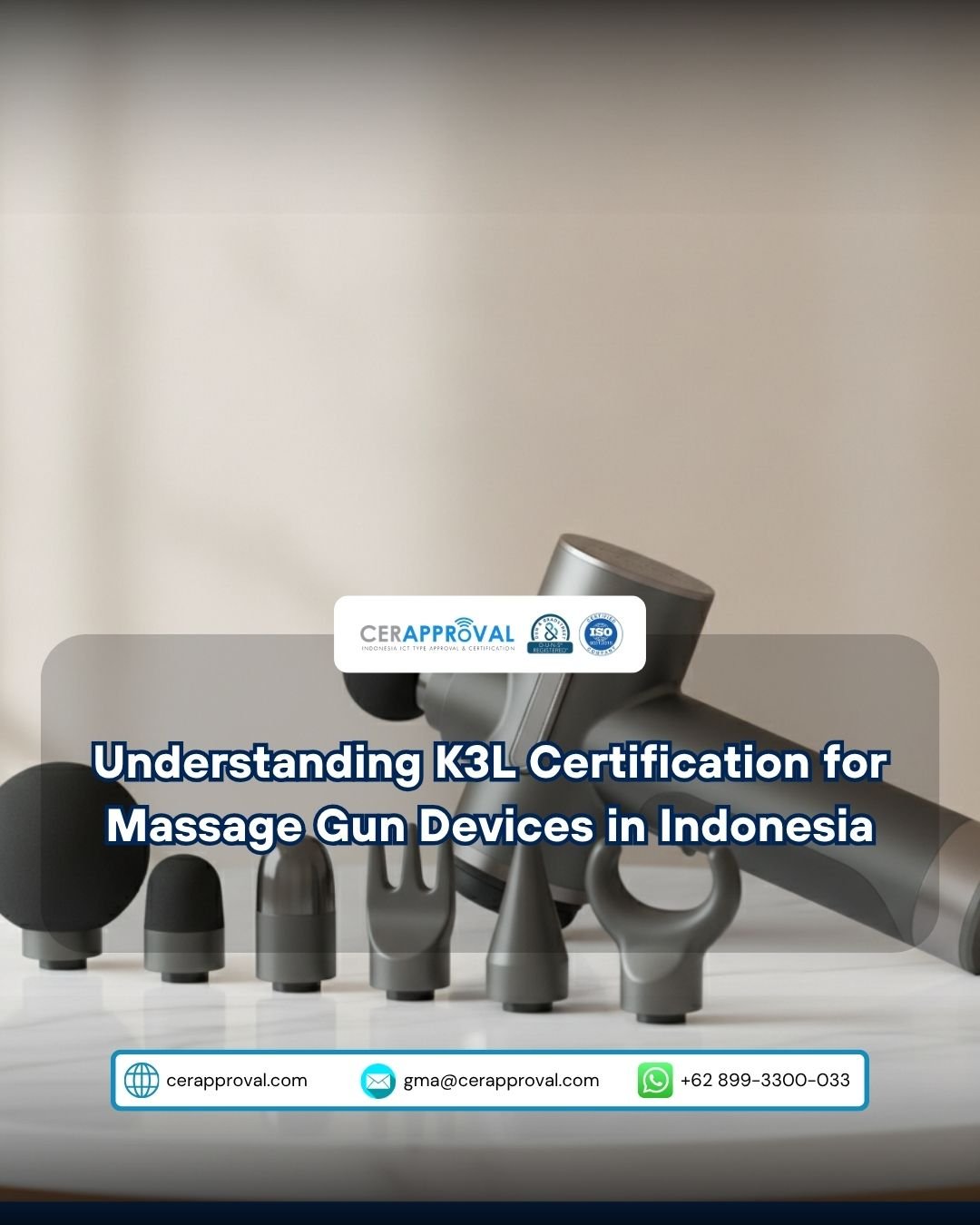
Understanding K3L Certification for Massage Gun Devices in Indonesia
The wellness and personal care industry in Indonesia is currently experiencing a massive boom. One of the most sought-after gadgets today is the massage gun (portable electric massager). However, for manufacturers, importers, and distributors, launching this product in the Indonesian market requires strict compliance. You must fulfill product safety regulations, primarily the K3L Certification. As…
-
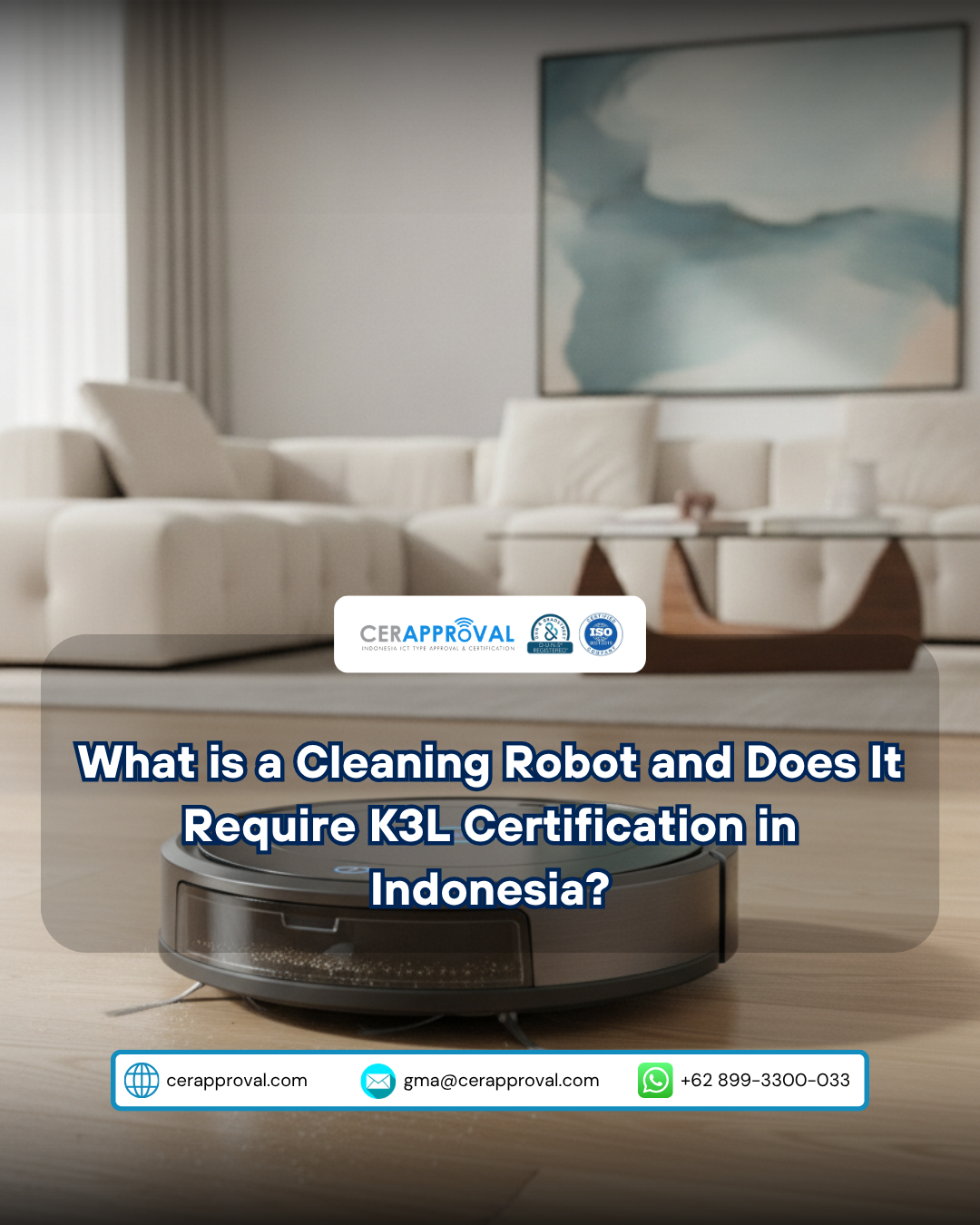
What is a Cleaning Robot and Does It Require K3L Certification in Indonesia?
Automation technology has drastically changed how we maintain cleanliness in households, corporate offices, and industrial sectors. One of the most fast-growing innovations today is the cleaning robot. However, as smart electronic devices that operate closely around humans, a critical question arises for manufacturers, importers, and distributors: Does a cleaning robot require K3L Certification to be…
-
How to Efficiently Process TKDN Certification for the Fertilizer Industry in Indonesia
The agricultural sector is one of the main backbones of Indonesia’s economy. As the primary support for this sector, the fertilizer industry plays a critical role. However, to effectively penetrate the domestic market—especially for government procurement through the e-Katalog system—fertilizer manufacturers must obtain the Tingkat Komponen Dalam Negeri (TKDN) or Local Content Requirement (LCR) certification.…
-
Complete Guide to SNI Certification for Electric Fans in Indonesia: Requirements and Easy Solutions
The electronics market in Indonesia, particularly for cooling appliances like electric fans, continues to experience rapid growth. However, as a business player—whether a local manufacturer or an importer—you cannot simply distribute products in the domestic market without compliance. The Indonesian government strictly enforces product safety standards to protect consumers, primarily through the SNI (Standar Nasional…
Ready To Start New Project With Intrace?
Lorem ipsum dolor sit amet, consectetur adipiscing elit, sed do eiusmod tempor incididunt ut labore et dolore magna aliqua.